Formulas and Frameworks of Cultural Heritage
The rulebook of the World Heritage List.
Fun fact: the ‘Formula’ of Formula 1 refers to the set of rules and regulations that teams, cars, and drivers must abide by to compete. This formula is traditionally changed every four to eight years, and the 2026 season will be the first under a new, dramatically different formula. The new rulebook requires a 50/50 petrol-electric engine to power a shorter, lighter, and quicker chassis, major changes that will undoubtedly shake-up the starting grid.
Perhaps the most similar, and regulated, ‘formula’ of international cultural heritage is the criteria and conventions of UNESCO, and the subsequent World Heritage List.
The Foundation of UNESCO
The conflicts of the twentieth century highlighted how quickly heritage (in Europe) could be lost. One of the first offensives of WWI saw the utter decimation of the Belgian town of Leuven, including the University library and the 300,000 books and 3,000 manuscripts within it. An irreplaceable treasure. This act, considered an intentional assault on culture and learning, was addressed in Article 247 of the Treaty of Versailles, with Germany ordered to refurnish the library within three months as a means of repatriation. In WWII, the complete decimation of Dresden and Warsaw saw historic city centers reduced to rubble, with centuries of history buried beneath them. When the dust settled and the world began to rebuild after the second ‘global’ conflict in three decades, a coalition of 51 nations founded the United Nations (UN) and subsequently, the United Nations Educational, Scientific, and Cultural Organization (UNESCO) in an attempt to build a more peaceful future together.
The first line of UNESCO’s founding Constitution powerfully asserts this mission: “since wars begin in the minds of men, it is in the minds of men that the defences of peace must be constructed.”
Thus, the first several decades of international heritage administration were focused on the identification, management, and protection of the wonders of the world. Unfortunately, the international community quickly learned that heritage is at risk in times of peace as well. The construction of the Aswan Dam, and subsequent threat to key Nubian archaeological sites, alongside the flooding of Florence and Venice throughout the 1960s drew the attention of the international community, and inspired action. Their solution: the World Heritage List. First introduced in Article 11 of the 1972 UNESCO Convention Concerning the Protection of the World Cultural and Natural Heritage, the list was created to preserve and maintain “universally” significant heritage sites – places that were representative of the genius and culture of humankind. The convention asserted the unique and irreplaceable qualities of both natural and cultural heritage, and established the nomination process. If a site is successfully added to the List, it gains increased international prestige, legal protection, and access to limited funding.
The first 12 sites on the World Heritage List were designated in 1978, and span eight countries: Ecuador, Ethiopia, Germany, Canada, Poland, Senegal, and the USA.
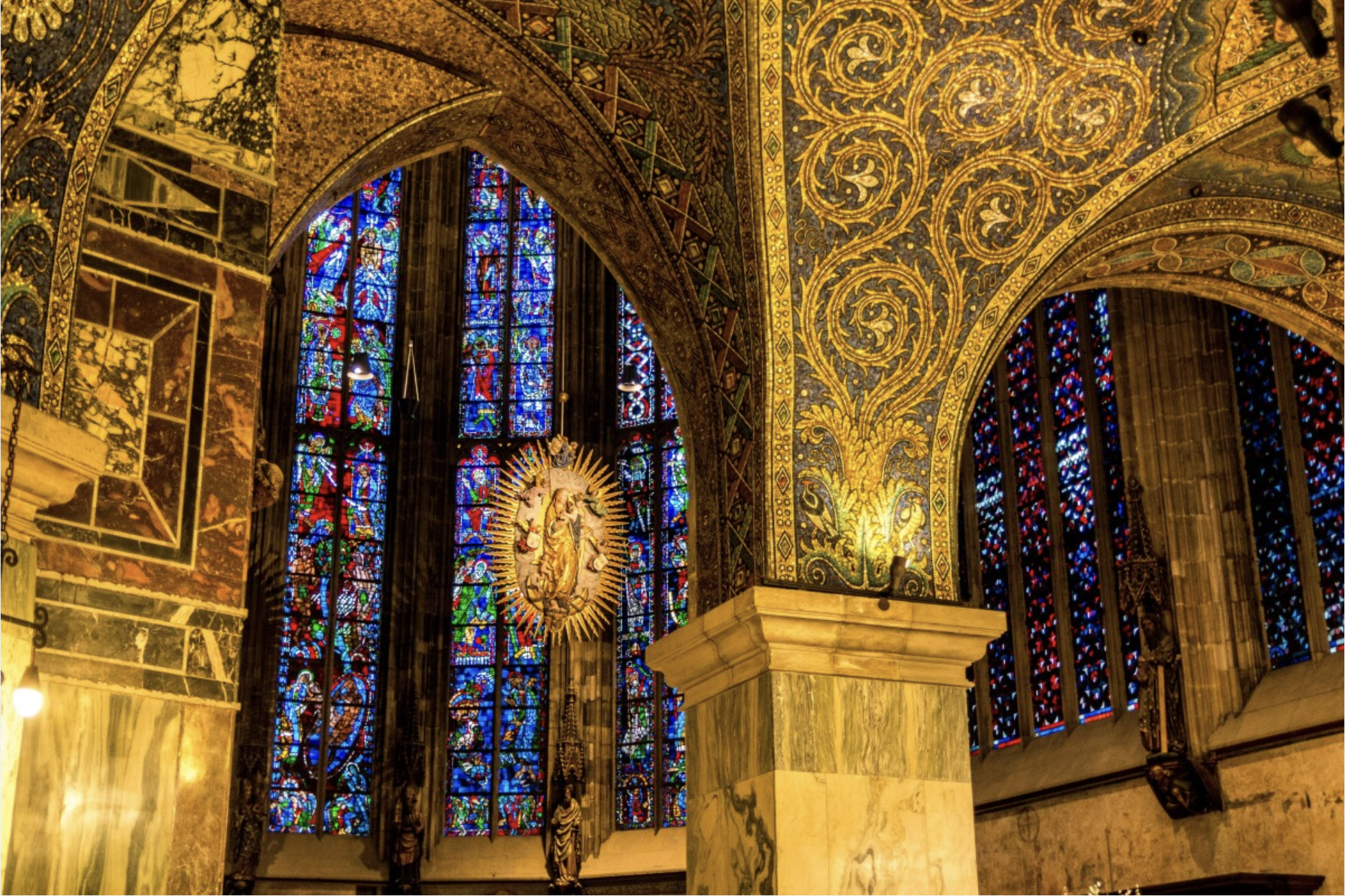

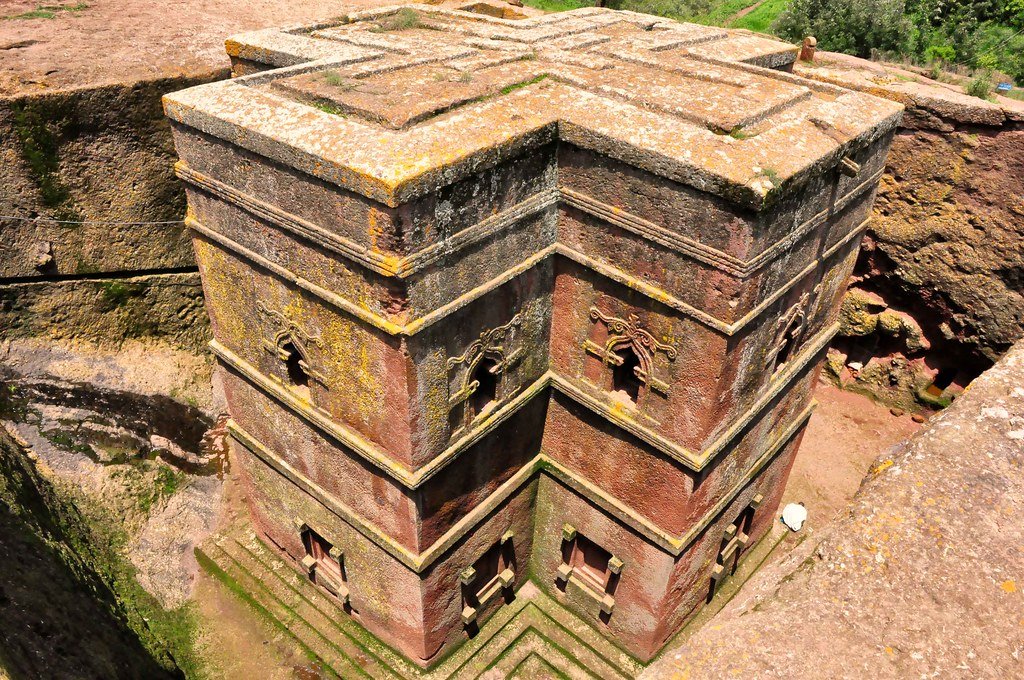
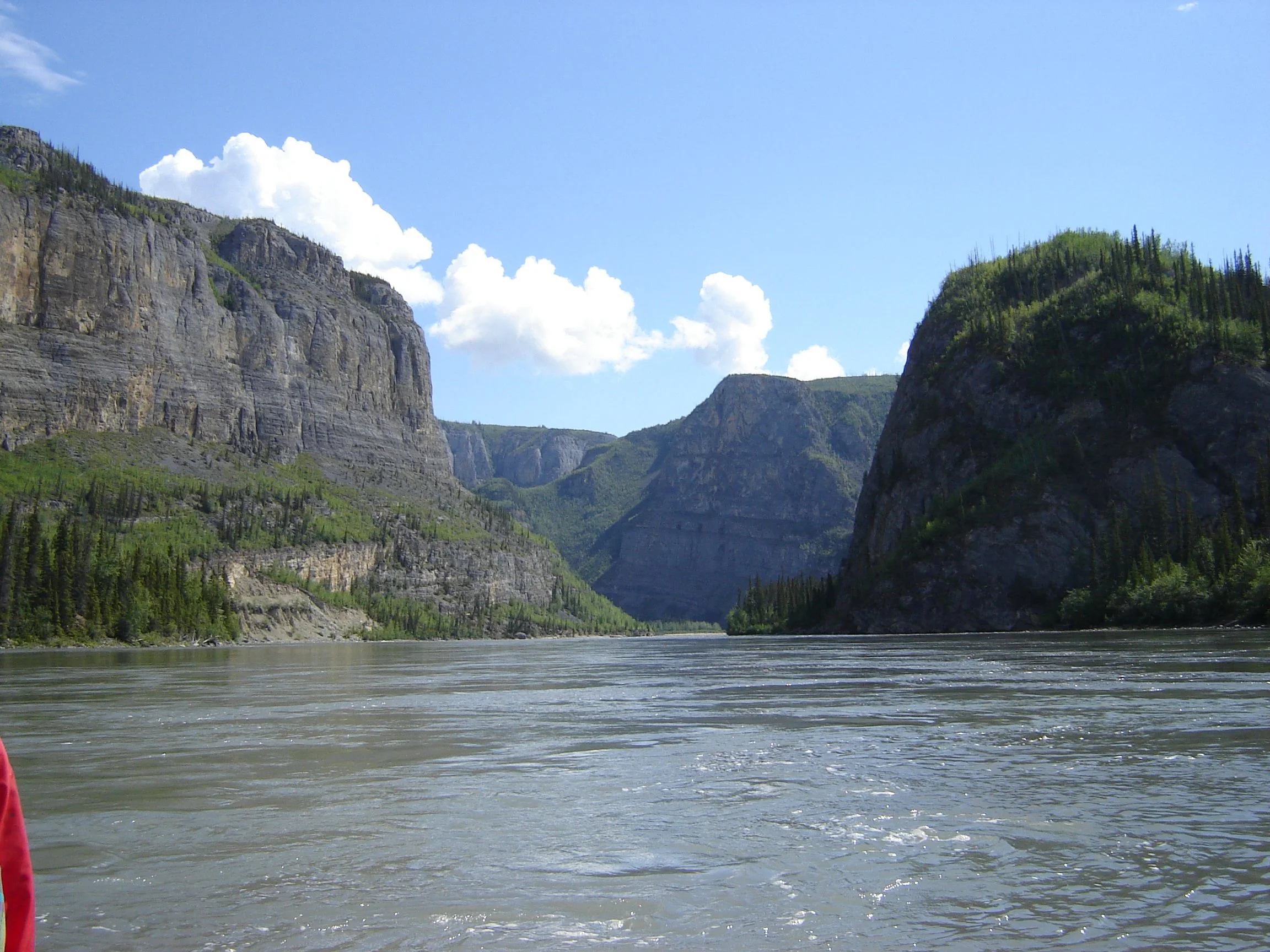
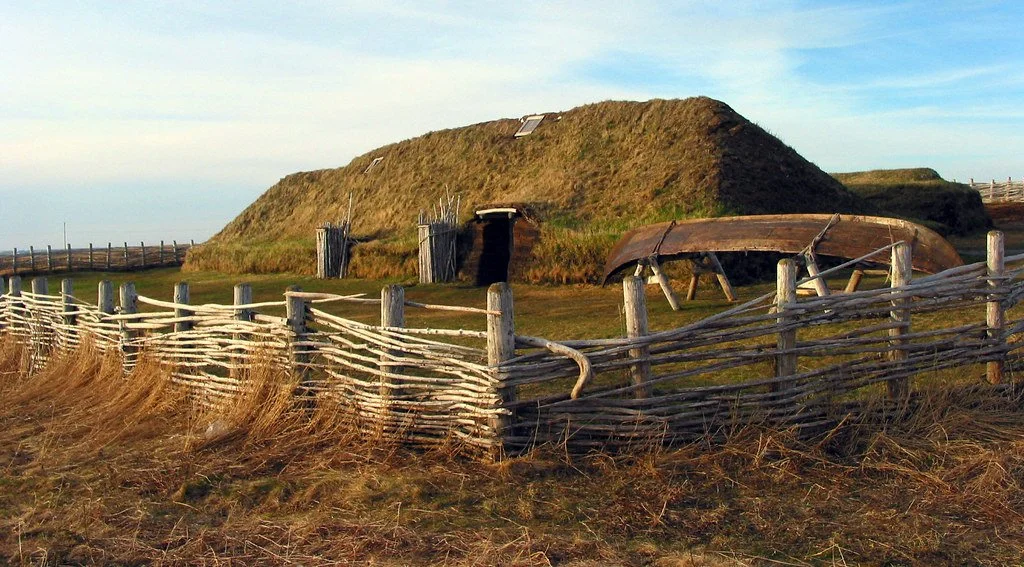
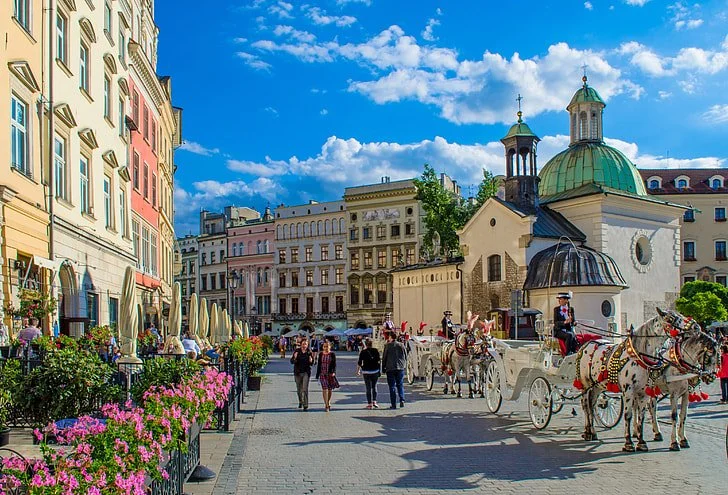
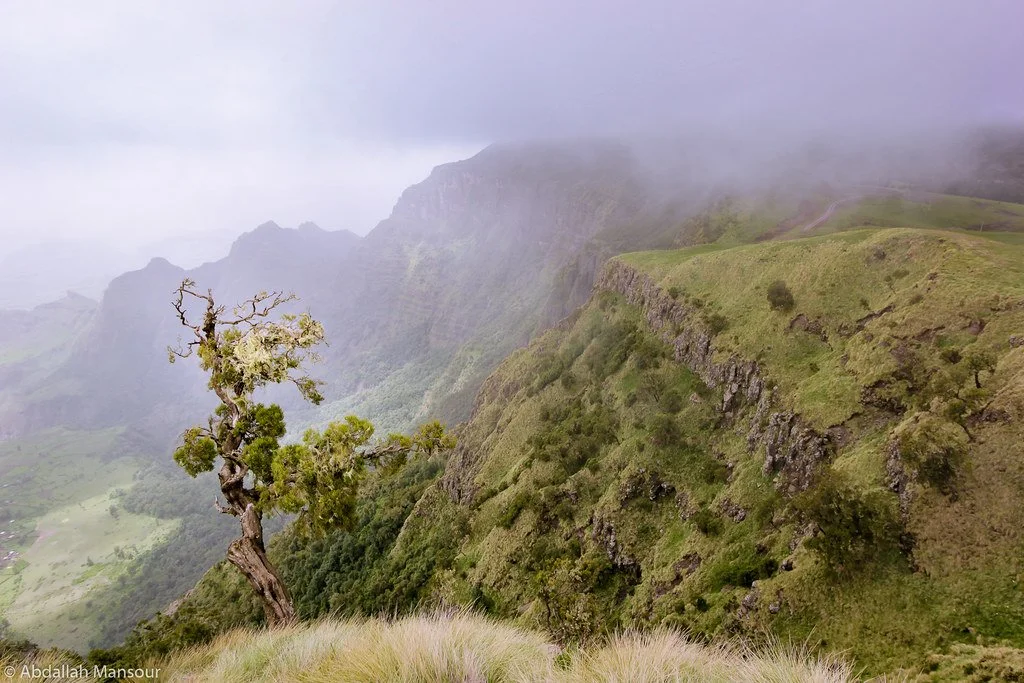
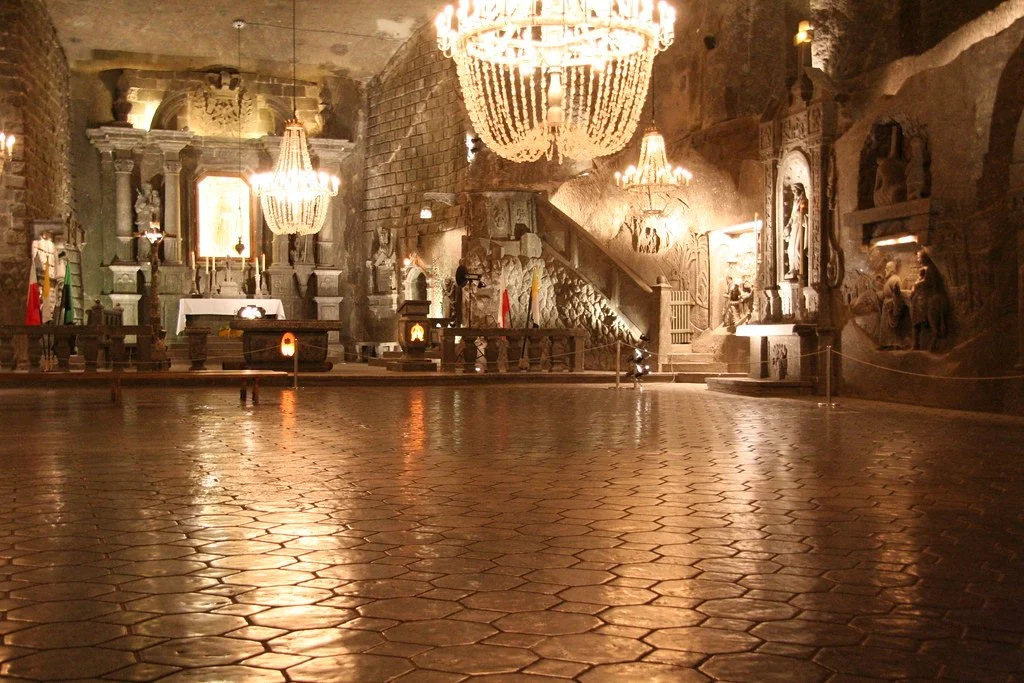
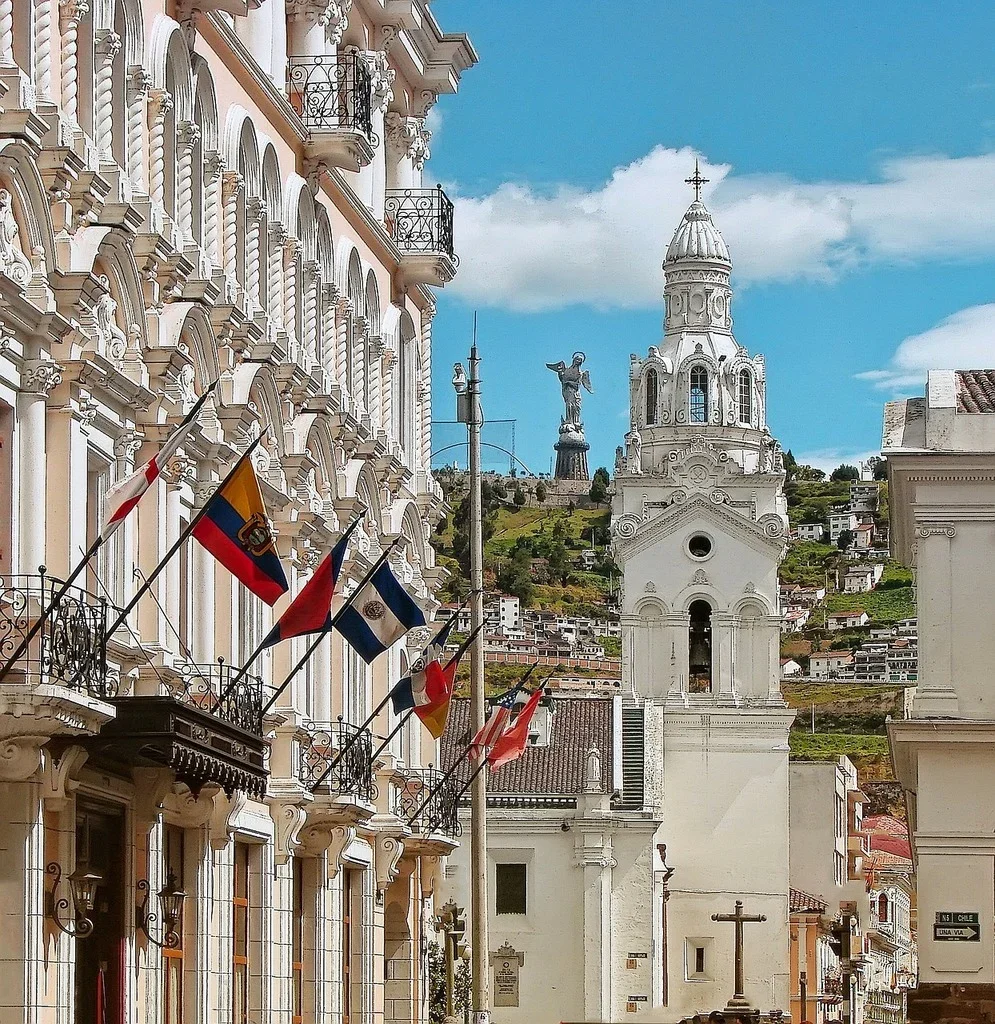
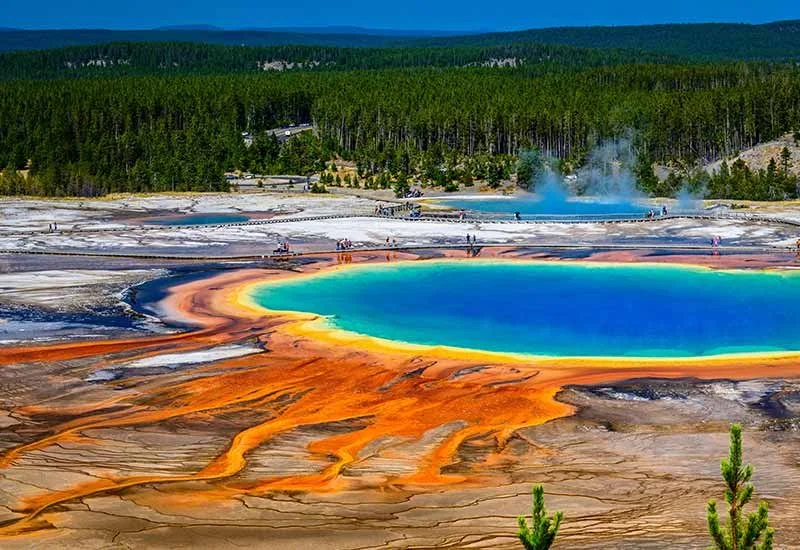
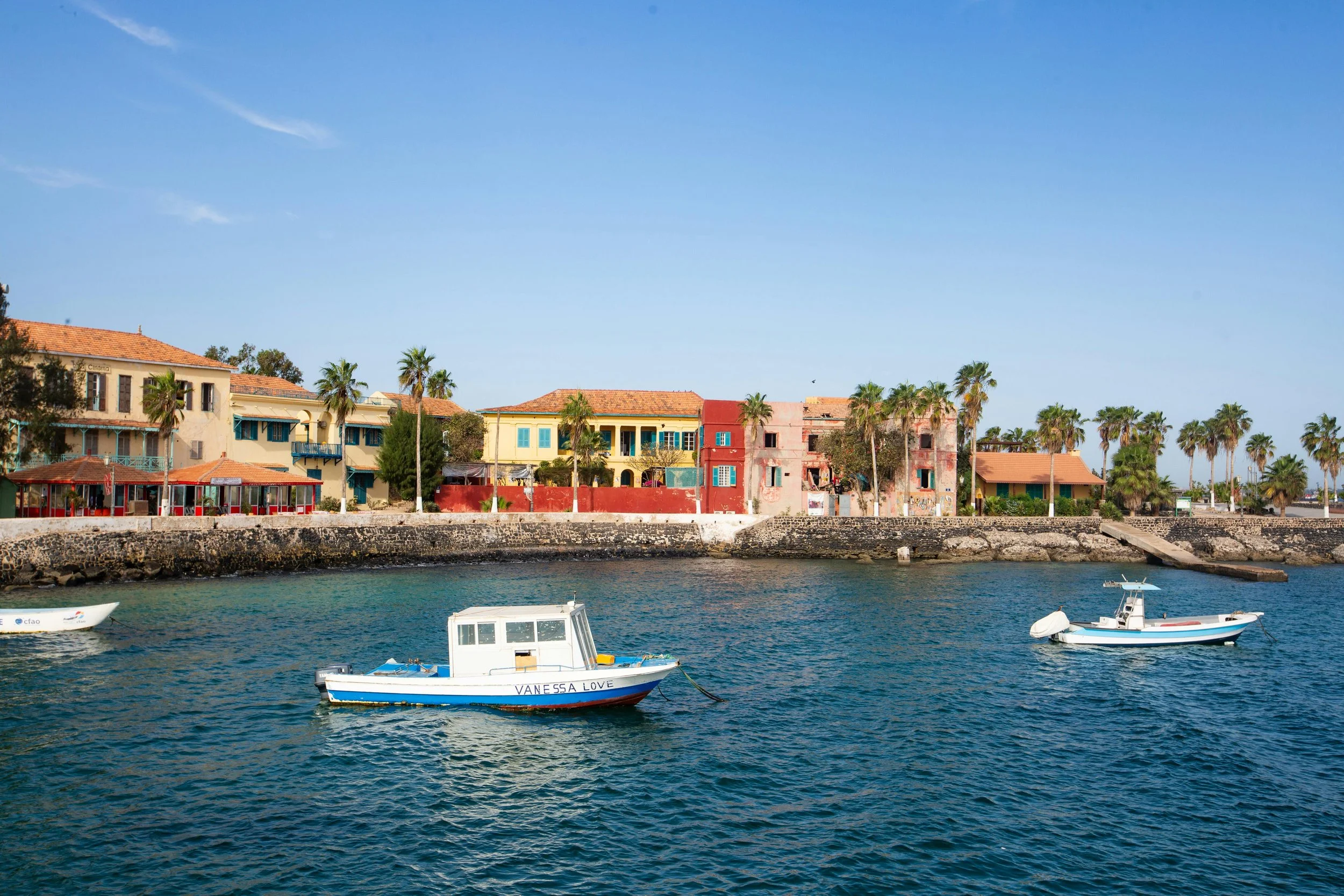
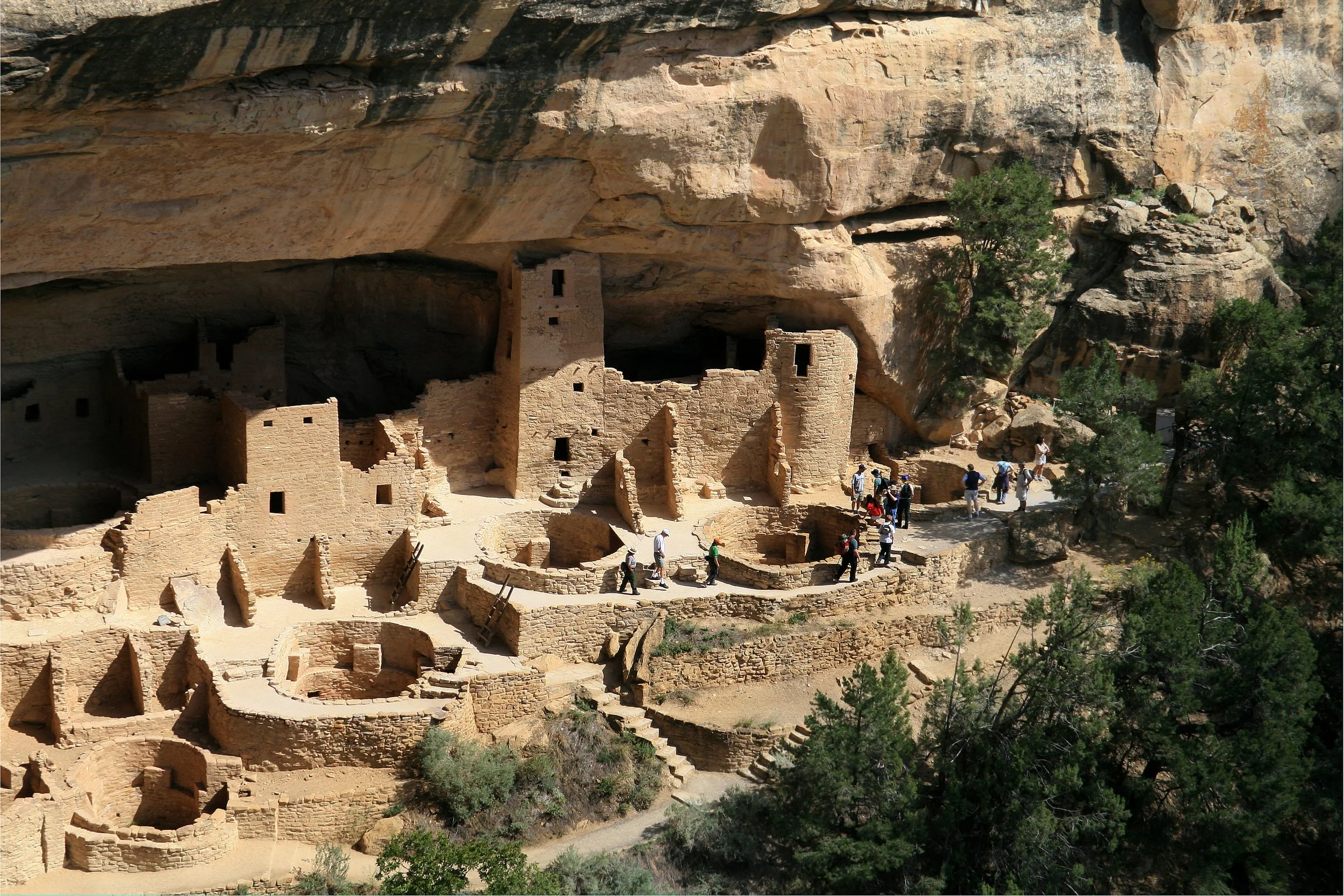
Pictured above (left to right): Aachen Cathedral (Germany), Galápagos Islands (Ecuador), Rock-Hewn Churches, Lalibela (Ethiopia), Nahanni National Park (Canada), L’Anse aux Meadows National Historic Site (Canada), Historic Centre of Kraków (Poland), Simien National Park (Ethiopia), Wieliczka and Bochnia Royal Salt Mines (Poland), City of Quito (Ecuador), Yellowstone National Park (USA), Island of Gorée (Senegal), Mesa Verde National Park (USA).
Article 11.4 of the 1972 convention also established the List of World Heritage in Danger. The List of World Heritage in Danger prioritizes sites “threatened by serious and specific dangers,” such as “large-scale public or private projects or rapid urban or tourist development projects; destruction caused by changes in the use or ownership of the land; major alterations due to unknown causes; abandonment for any reason whatsoever; the outbreak or the threat of an armed conflict; calamities and cataclysms; serious fires, earthquakes, landslides; volcanic eruptions; changes in water level, floods and tidal waves.” Unlike the normal list, sites may be considered and entered onto the List of World Heritage in Danger at any time, with the most recent addition being the Saint Hilarion Monastery/ Tell Umm Amer, nominated in 2024, and located in the Gaza Strip.
The Nomination Process
States that have ratified the 1972 Convention may nominate sites to the World Heritage List, in a process that takes several years. This process starts domestically, with local or national stakeholders proposing sites for national ‘Tentative Lists.’ These tentative lists are then submitted to UNESCO, and after one year on the tentative list, states may request a preliminary assessment. These assessments are completed by industry professionals within the International Council on Monments and Sites (ICOMOS) or the International Union for Conservation of Nature (IUCN), who compile reports and make recommendations for the future of the nomination. Additional domestic and international assessments are typically completed before the official nomination dossier can be submitted to UNESCO, and a final decision made by the World Heritager Committee.
For a site to be proposed for inclusion on the World Heritage List, the site must “be of outstanding universal value” and meet at least one of ten set criteria, although sites are often nominated under multiple. The criteria are listed in The Operational Guidelines for the Implementation of the World Heritage Convention, first published in 1977, and updated every two years. Initially, nominations were justified using two separate lists, one for natural and one for cultural heritage, but the two lists were merged in 2004.
The current criteria are:
(i) to represent a masterpiece of human creative genius;
(ii) to exhibit an important interchange of human values, over a span of time or within a cultural area of the world, on developments in architecture or technology, monumental arts, town-planning or landscape design;
(iii) to bear a unique or at least exceptional testimony to a cultural tradition or to a civilization which is living or which has disappeared;
(iv) to be an outstanding example of a type of building, architectural or technological ensemble or landscape which illustrates (a) significant stage(s) in human history;
(v) to be an outstanding example of a traditional human settlement, land-use, or sea-use which is representative of a culture (or cultures), or human interaction with the environment especially when it has become vulnerable under the impact of irreversible change;
(vi) to be directly or tangibly associated with events or living traditions, with ideas, or with beliefs, with artistic and literary works of outstanding universal significance. (The Committee considers that this criterion should preferably be used in conjunction with other criteria);
(vii) to contain superlative natural phenomena or areas of exceptional natural beauty and aesthetic importance;
(viii) to be outstanding examples representing major stages of earth's history, including the record of life, significant on-going geological processes in the development of landforms, or significant geomorphic or physiographic features;
(ix) to be outstanding examples representing significant on-going ecological and biological processes in the evolution and development of terrestrial, fresh water, coastal and marine ecosystems and communities of plants and animals;
(x) to contain the most important and significant natural habitats for in-situ conservation of biological diversity, including those containing threatened species of outstanding universal value from the point of view of science or conservation.
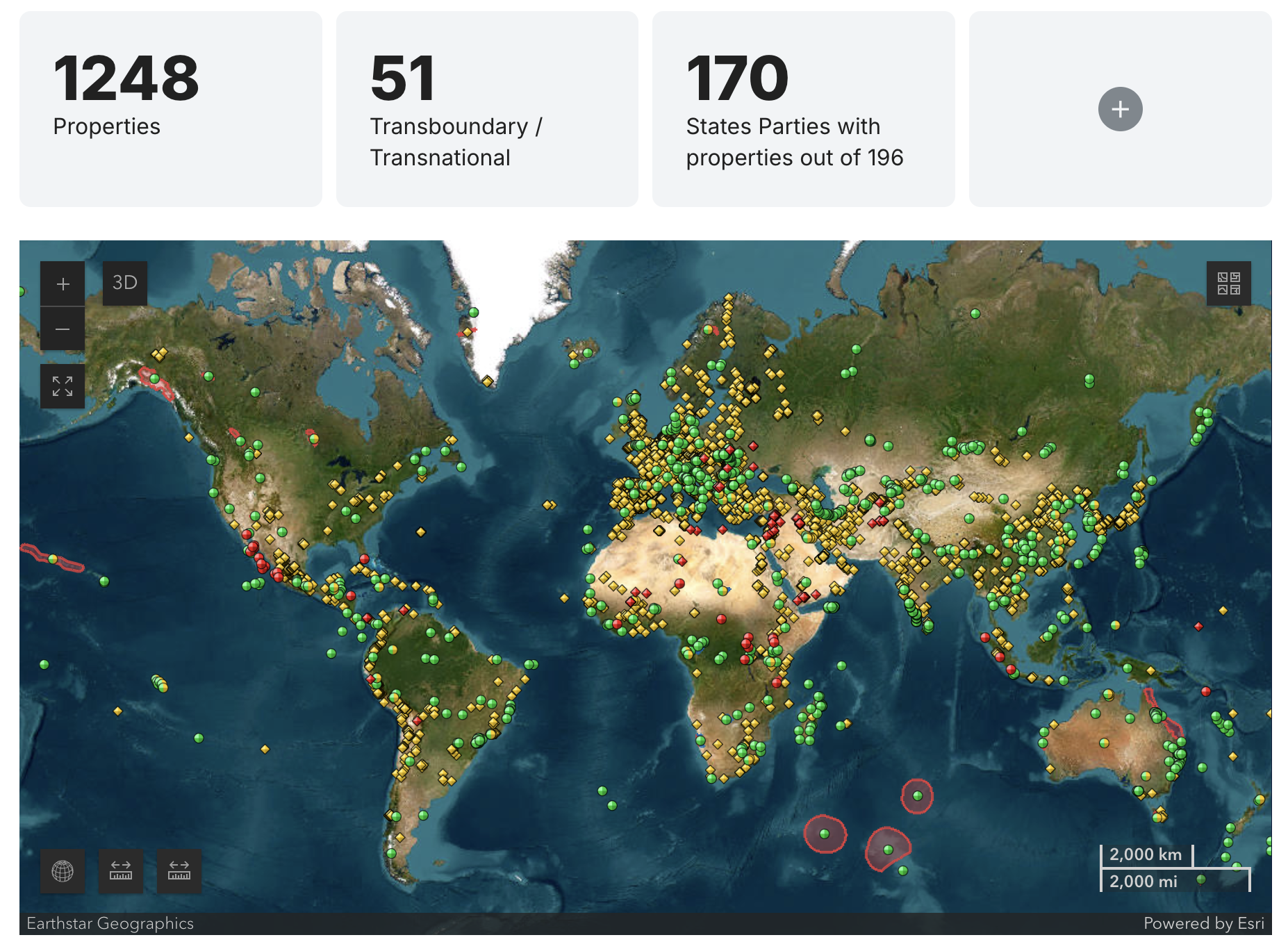
As of February 2026, there are 1,248 sites on the World Heritage List, spanning 170 countries and six continents.
972 of the sites are cultural (yellow),
235 are natural (green), and 41 are mixed (yellow/green).
There are currently 53 sites on the World Heritage in Danger List (red).
The continent with the most listed sites is Europe, with 535, while the continent with the fewest is North America with 45.
In order to ensure the diversity of the list, both culturally and in the inclusion of natural sites, a Global Strategy, adopted in 1994, encourages countries to nominate sites at different rates.
World Heritage List Graphic, UNESCO
Find the UNESCO World Heritage List site closest to your home — how does this site of ‘universal’ importance impact your local community?
Application of Criteria
Just as each F1 team applies the same formula to its own distinct machinery, these flexible criteria can be applied in a plethora of ways to diverse heritage sites.
Consider the variety of sites listed under Criteria (i), which represent, in some unspecified way, a “masterpiece of human genius.” Such sites include the Ellora Caves (India), Persepolis (Iran), Tikal National Park (Guatemala), Monticello and the University of Virginia Campus (USA), and Tsodilo (Botswana). The sheer breadth of ‘human genius’ means that these sites, nominated under the same criteria, include religious temples, ancient metropolises, plantations, and some of the earliest human rock art.
Ellora Caves: Inscribed on the World Heritage List in 1983. Nominated with Criteria (i), (iii), and (vi).
The Ellora Caves are a campus of 34 temples and monasteries, dug into the side of a basalt cliff between the seventh and eleventh centuries. The caves themselves are an example of immense technical and architectural skill, and the mixture of faiths represented, with Buddhist, Hindu, and Jain religious spaces side by side, “illustrat[ing] the spirit of tolerance that was characteristic of ancient India.”
Persepolis: Inscribed on the World Heritage List in 1979. Nominated with Criteria (i), (iii), and (vi).
Persepolis was founded in 518 B.C. by Darius I as the capital city of the Achaemenid Empire. Built on a series of sprawling terraces and subsequently expanded by later emperors, the palatial complex blended early urban development with majestic gardens. The site’s contribution to the understanding of Achaemendian art, architecture, agriculture, and political affairs has led experts to stress “the royal city of Persepolis ranks among the archaeological sites which have no equivalent and which bear unique witness to a most ancient civilization.”
Tikal National Park: Inscribed on the World Heritage List in 1979. Nominated with Criteria (i), (iii), (iv), (ix), and (x).
Located in the lush jungle of Guatemala, Tikal National Park contains the remains of “one of the major sites of Mayan civilization.” Centered around a complex of large stone temples and palaces is a terraced town of public squares and smaller dwellings, connected by a series of ramps. This town was inhabited from the 6th century B.C. to the 10th century A.D and serves as one of the few sites on the World Heritage List nominated for both cultural and natural significance. The surrounding “57,600 hectares of wetlands, savannah, tropical broadleaf and palm forests” are filled with anteaters, monkeys, jaguars, pumas, and ocelots alongside 300 species of birds, 200 species of trees, and 2,000 species of higher plants.
Monticello and the University of Virginia Campus: Inscribed on the World Heritage List in 1987. Nominated with Criteria (i), (iv), and (vi).
Monticello is the self-designed plantation home of American founding father Thomas Jefferson, and the University of Virginia is the college Jefferson founded 8 km in 1819. Both structures are built in the neoclassical style, and thus “symbol[ize] both the aspirations of the new American republic as the inheritor of European tradition and the cultural experimentation that could be expected as the country matured.” A Renaissance man, America’s third president, and the primary author of the Declaration of Independence, Jefferson was also a slave owner, whose complicated legacy is intimately tied to the foundation of the United States.
Tsodilo: Inscribed on the World Heritage List in 2001. Nominated with Criteria (i), (iii), and (iv).
A ten-square-kilometer patch of the Kalahari Desert, Tsodilo contains over 4,500 preserved rock paintings, created from 20,000 to 100 years ago, and broader archaeological evidence of human activity spanning 100,000 years. This gallery of one of humankind's earliest art forms has dubbed Tsodilo the “Louvre of the Desert.” It remains a respected and spiritual place for the local community.
These sites each welcome hordes of tourists every year and serve as key economic and cultural assets to their communities.
With these diverse sites in mind, what nomination criteria would you utilize to nominate a site you care about?
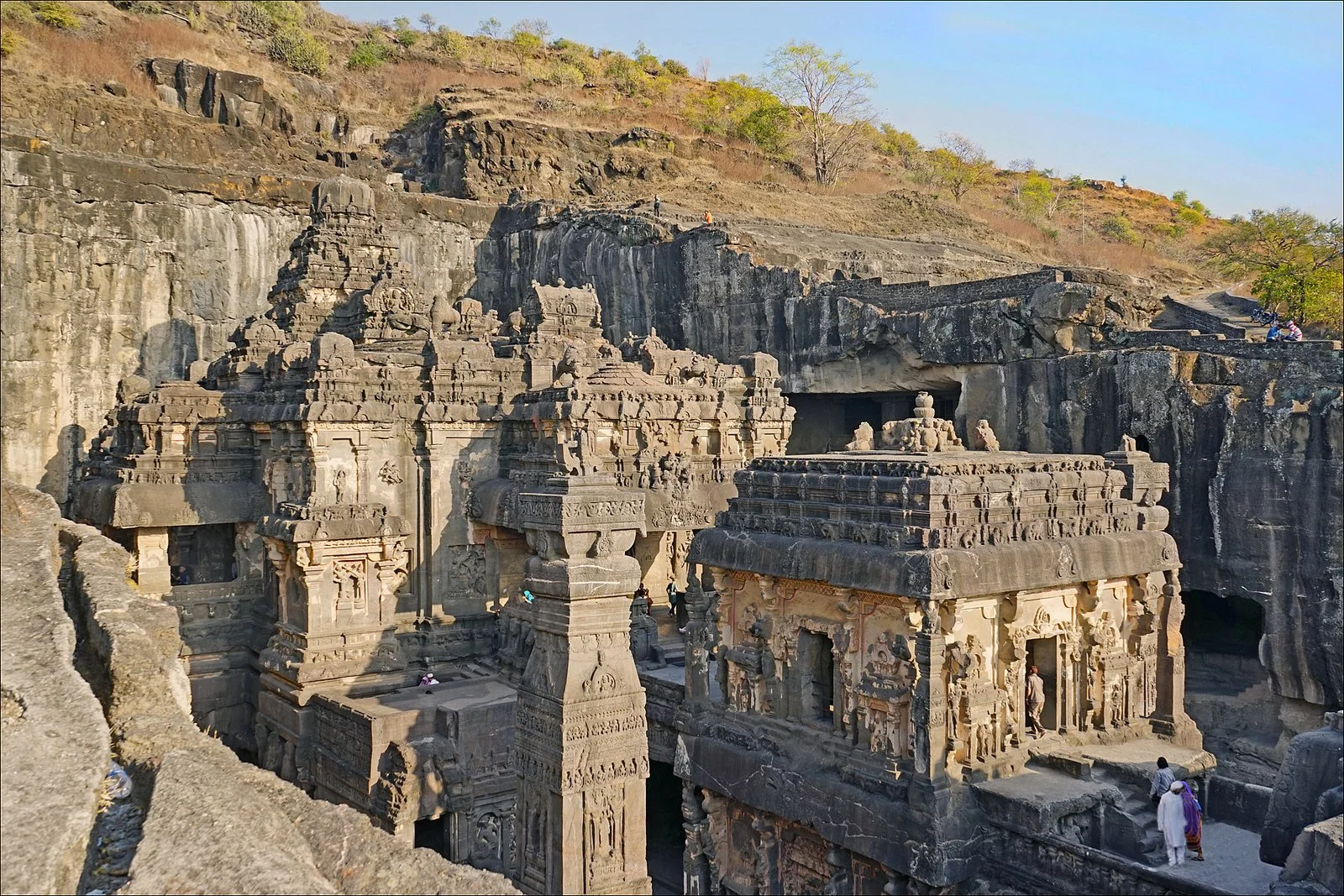
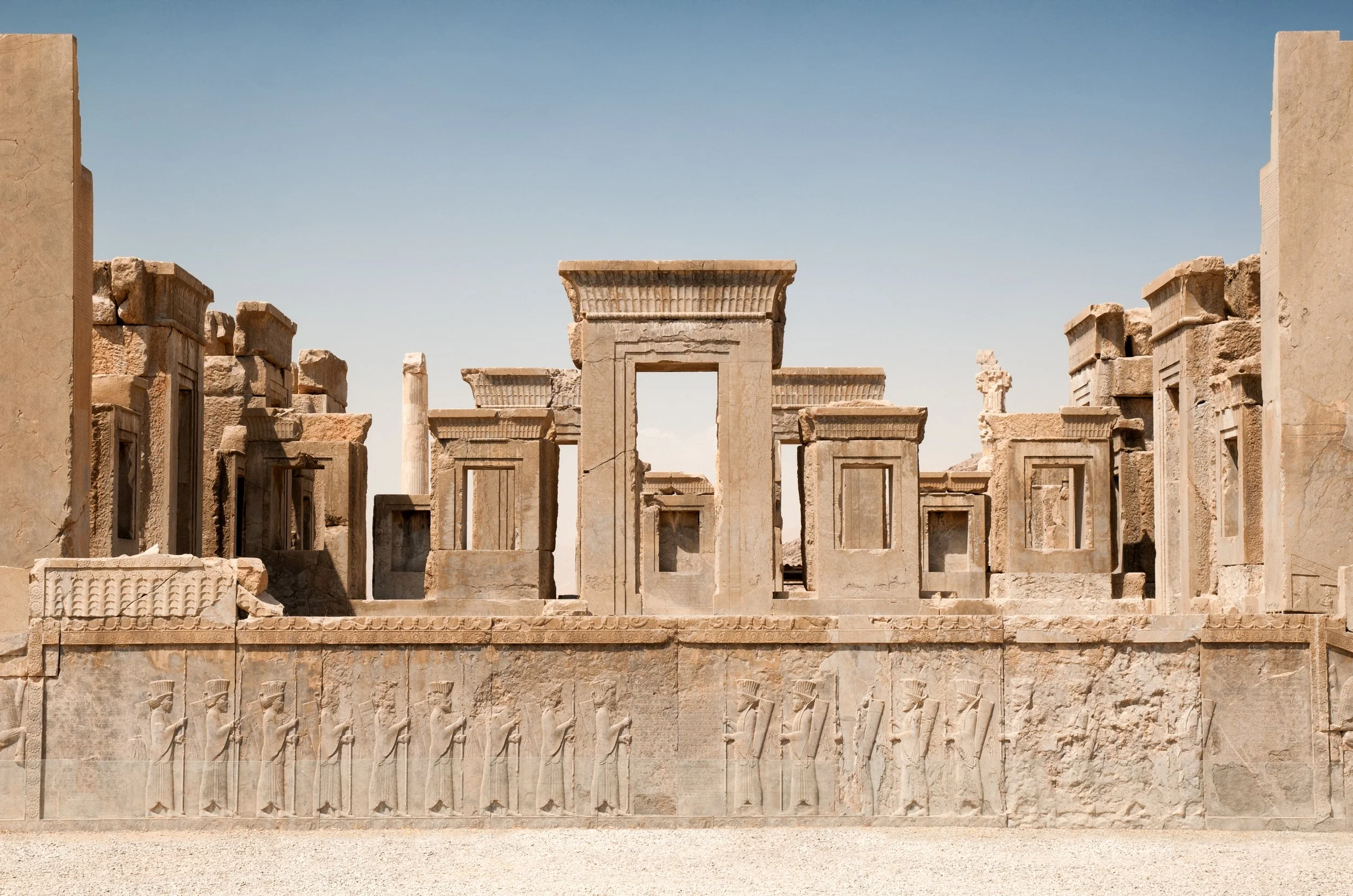
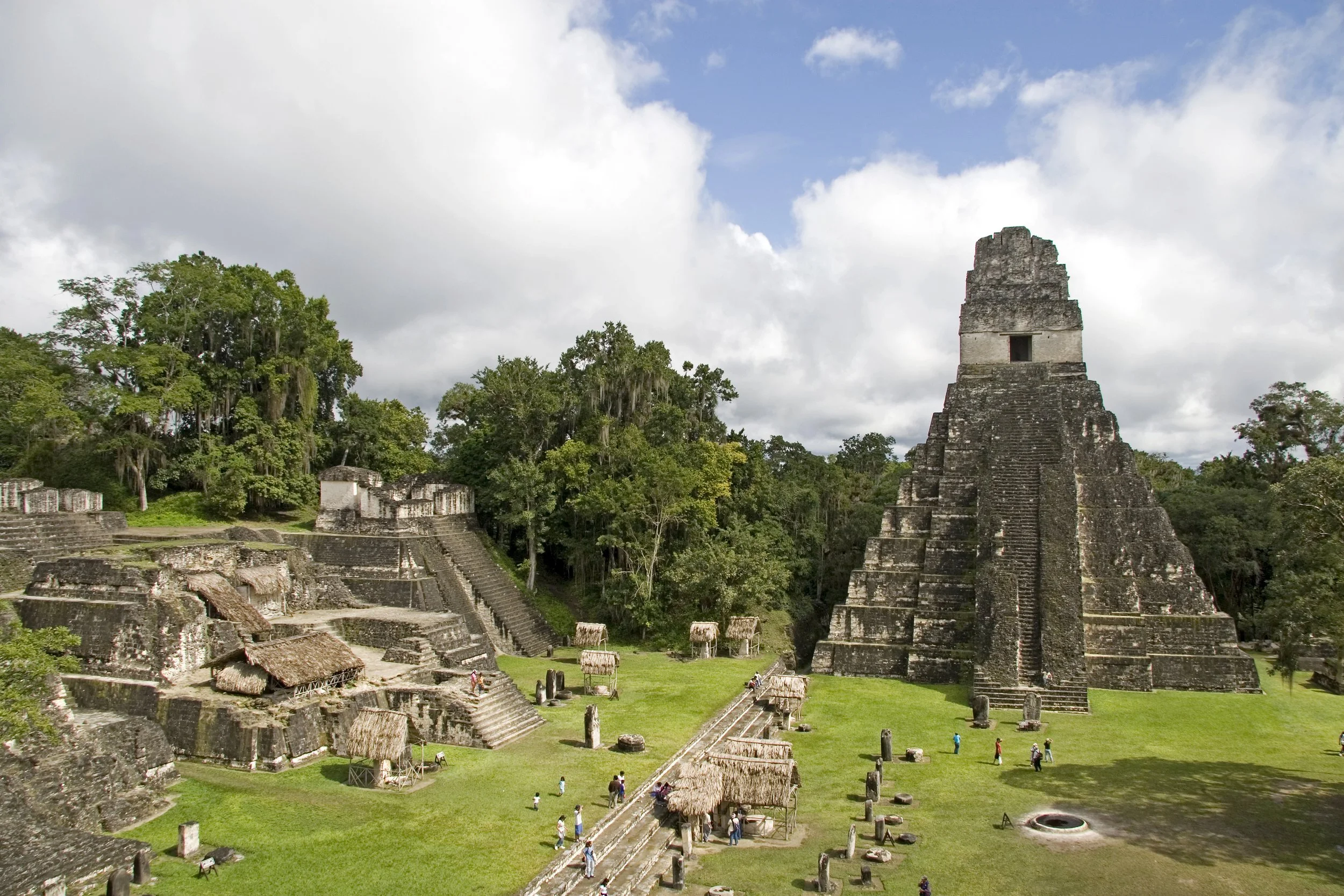
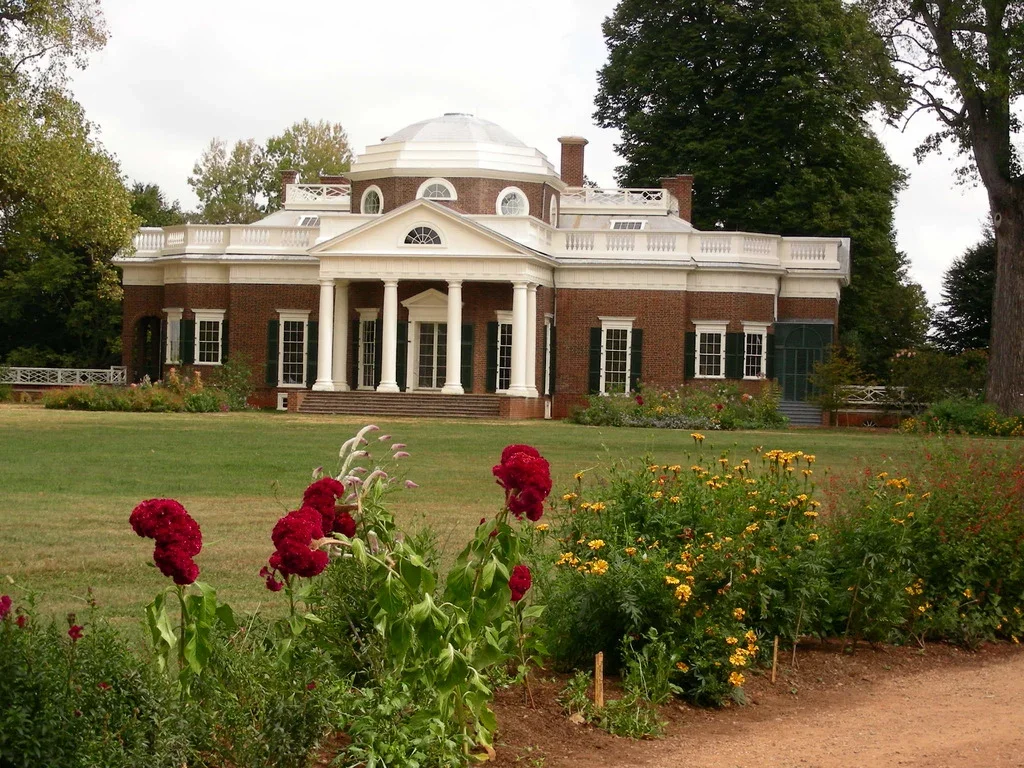
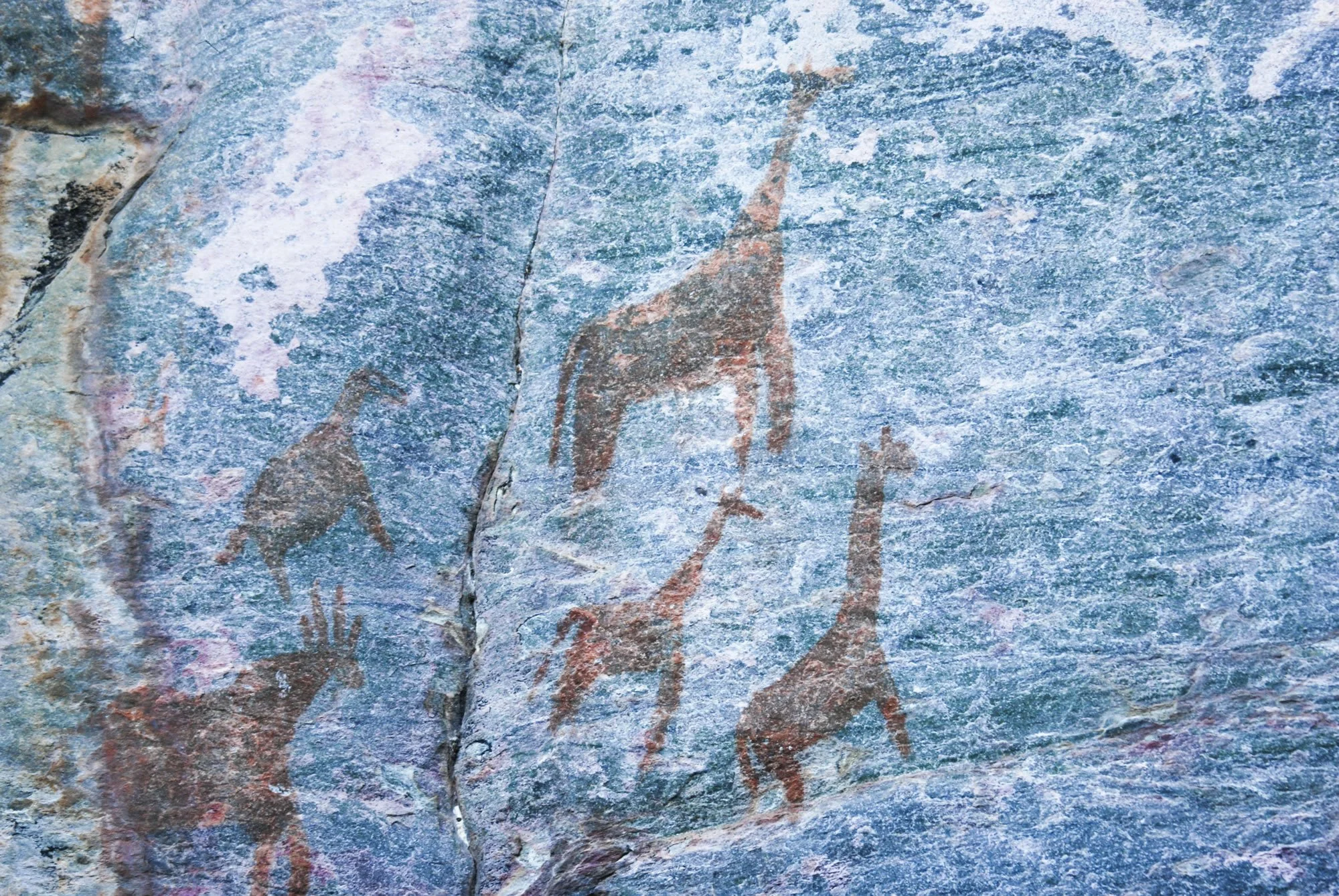
Pictured above: Ellora Caves (India), Persepolis (Iran), Tikal National Park (Guatemala), Monticello (USA), Tsodilo (Botswana)
The World Heritage List stands as an internationally respected metric for the protection and preservation of the most beautiful places in the world. Certainly more vague and less technical than the F1 rulebook, both systems rely on rigorous evaluation, international oversight, and invite the scrutiny of hundreds of millions of fans and visitors each year. Ultimately, whether preserving humanity’s most remarkable places or showcasing the world’s fastest racing machines, the standards behind these global stages ensure that only the most exceptional candidates earn their place in the spotlight.
More about the new formula for the 2026 Season:
The Key Regulation Changes in F1 History – and the Teams that Nailed Them by Mike Seymour
All You Need to Know About F1’s New Aerodynamics by Matt Youson
Formula 1 2026: New Engines and No DRS Headline Major Changes in Grand Prix by Michael Doyle